Blog · Civic life
Why Nigeria needs more women where decisions are made
Women are about half of Nigeria's population but hold fewer than 5 per cent of seats in the National Assembly. Here is why that matters for girls, and what could change it.
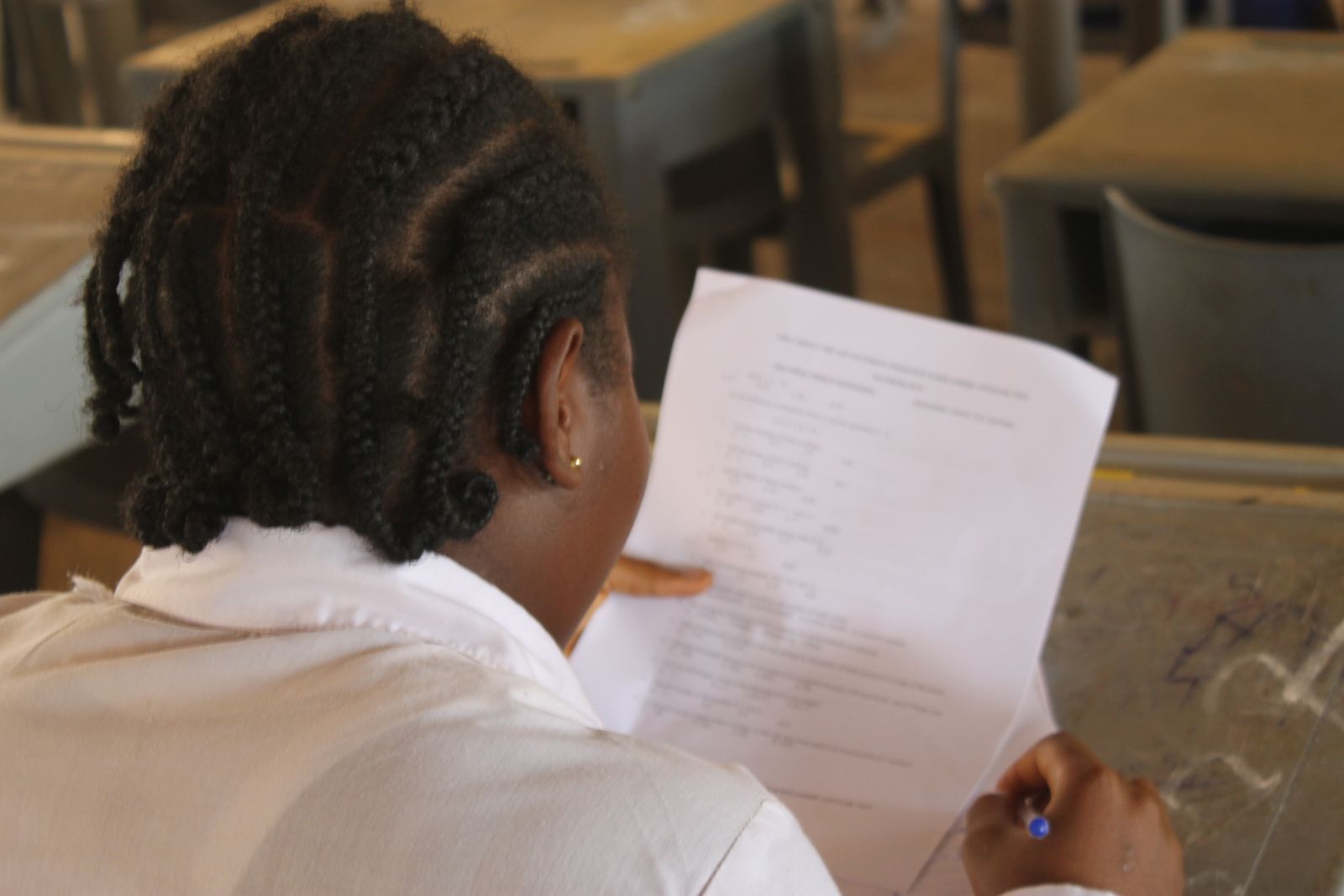
Laws decide how much is spent on girls' schools, how rape cases are handled, whether child marriage is punished, and how health clinics are run. The people who make those laws shape girls' lives every day.
In Nigeria, very few of those people are women.
The numbers
Nigeria's 10th National Assembly, elected in 2023, has 469 members: 109 senators and 360 members of the House of Representatives. Only about 20 of them are women, fewer than 5 per cent. At the start of the Assembly there were 3 women in the Senate and 17 in the House; changes since then have kept the total at about 20.
This is lower than in the past. In 2007, 36 women sat in the National Assembly. Nigeria ranks among the lowest countries in the world for women in parliament.
Why so few women?
Women who want to run for office face barriers that men face less often:
- Money. Party nomination forms and campaigns are very expensive, and women have less access to large networks of funders.
- Party politics. Candidates are chosen through primaries that are often dominated by a few powerful men.
- Violence and intimidation. Elections can be violent, and women candidates also face insults and attacks on their character.
- Social expectations. Many people still believe politics is "not for women", or that a married woman should not have a public career.
- Family duties. Women carry more unpaid care work, which leaves less time for politics.
What has been tried
The National Gender Policy sets a target of at least 35 per cent of appointed public positions for women. In 2022 the Federal High Court ruled that government should apply this target to public appointments. It has not been met.
The Special Seats Bill (HB 1349) proposes to create extra seats reserved for women, on top of existing seats:
- one additional seat per state and the FCT in the Senate (37 seats)
- one additional seat per state and the FCT in the House of Representatives (37 seats)
- three additional seats in each State House of Assembly
The arrangement would be temporary and reviewed after 16 years. Despite strong campaigning by women's groups, the bill had not been passed by the time party primaries for the 2027 elections began in 2026, so it will not apply to the next election cycle.
Why this matters for girls
When women are in the room, different questions get asked. Do schools have safe toilets? Are sexual assault cases being prosecuted? Is there money for midwives? Women legislators are not automatically champions of girls, and men can be strong allies. But a parliament that is 95 per cent male is missing the lived experience of half the country.
Representation also matters as an example. A girl who never sees a woman in power learns, quietly, that power is not for her.
Building the next generation
Change does not begin on election day. Girls build the confidence and skills for public life long before:
- In school. Running for class captain, head girl, or club leader. Taking part in debates and quiz competitions.
- In the community. Joining youth groups, speaking at meetings, organising projects.
- In knowledge. Understanding how government works, how laws are made and how to contact your representatives.
What you can do
- If you are 18 or older, register and vote, and ask candidates what they will do for girls.
- Support women candidates with your time, skills or money.
- Encourage girls around you to take up leadership roles at school.
- Ask your representatives where they stand on the Special Seats Bill.
Sources
- PLAC Legist, "Worrying numbers for women in 10th NASS" (May 2023)
- Premium Times, "Again, Nigeria begins another electoral cycle without resolving women's reserved seats bill" (2026)
- PLAC, Special Seats Bill factsheet (July 2025)
- Voice of Nigeria, "Court orders Nigerian Government to reserve 35% of public offices for women" (April 2022)